

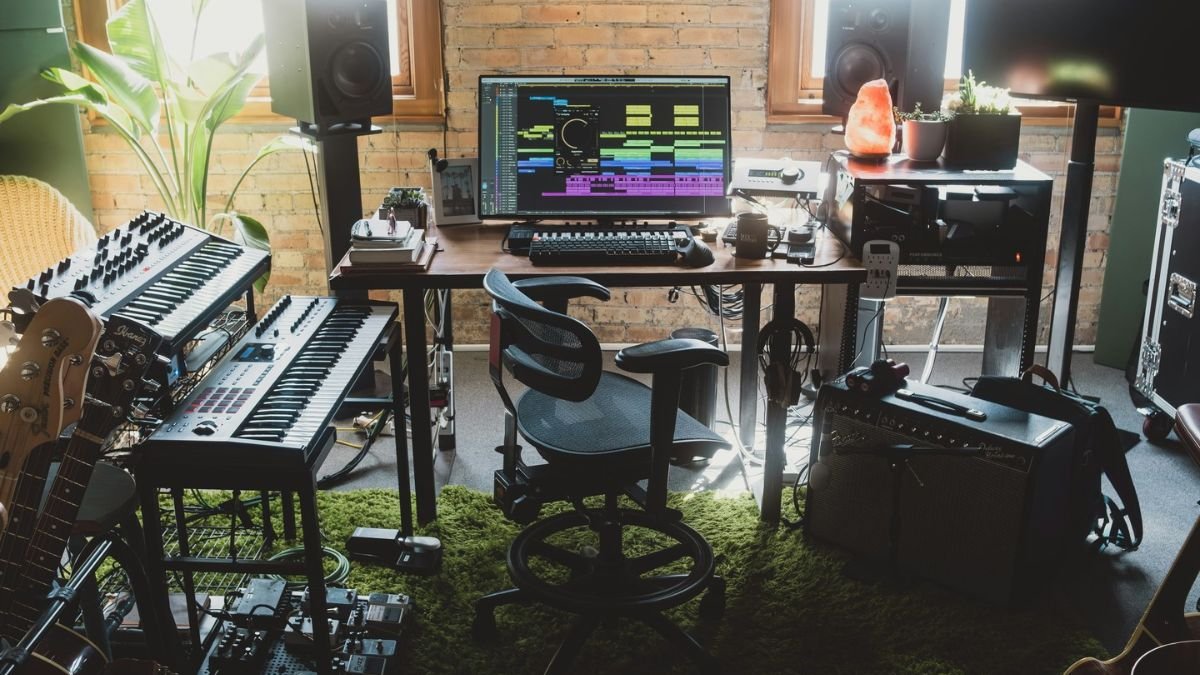
Creating music from the comfort of your home has never been more accessible than it is today. With affordable technology and powerful software, aspiring producers can turn their ideas into fully realized tracks without stepping into a professional studio. Yet, for beginners, starting can feel overwhelming. This guide will walk you through the essential steps to set up your home music production environment and get your creative journey off the ground.
Understanding Your Goals as a Music Producer
Before diving into equipment and software, it’s important to clarify your goals. Are you looking to produce electronic music, record live instruments, or create hip-hop beats? Your goals will shape the type of setup you need. For example, electronic producers may rely heavily on digital audio workstations (DAWs) and MIDI controllers, while live recording artists might prioritize microphones and audio interfaces. Knowing what you want to create helps you make informed decisions and avoid overspending on unnecessary gear.
Choosing the Right Digital Audio Workstation (DAW)
At the heart of any home studio is a digital audio workstation. A DAW is software that allows you to compose, record, and edit music. Popular options include Ableton Live, FL Studio, Logic Pro X, and Pro Tools. Each DAW has unique strengths: Ableton Live is excellent for electronic music and live performance, FL Studio is beginner-friendly with a pattern-based workflow, and Logic Pro X offers a vast library of sounds and instruments for Mac users. Most DAWs offer free trials, so testing them before committing can help you find the workflow that suits you best.
Essential Hardware for Your Home Studio
While software is crucial, having reliable hardware can dramatically improve your music production experience. A good-quality pair of studio monitors or headphones allows you to hear your music accurately, which is essential for mixing and mastering. Additionally, an audio interface is necessary to connect microphones, instruments, and other devices to your computer. For electronic music, a MIDI controller or keyboard can be a game-changer, enabling you to play virtual instruments more expressively than with a mouse. While starting small is fine, investing in quality over quantity ensures your tracks sound professional.
Soundproofing and Acoustic Treatment
Even the most advanced gear can fall short if your room has poor acoustics. Soundproofing and acoustic treatment help control reflections, reverberations, and external noise, giving you a clearer picture of how your music truly sounds. Basic solutions include foam panels, bass traps, and rugs to absorb unwanted sound. While professional acoustic treatment can be expensive, even simple adjustments can make a noticeable difference, especially for mixing.
Building Your Sample and Plugin Library
A key part of music production is having access to high-quality sounds. Most DAWs come with built-in instruments and samples, but expanding your library with third-party plugins and sample packs allows for more creativity. Synthesizers, drum machines, virtual instruments, and effect plugins like reverb, delay, and compression can significantly shape your sound. It’s wise to start with a few essential tools and gradually expand as you learn what suits your style.
Learning the Basics of Music Production
Having the right tools is only half the battle. Understanding music theory, sound design, mixing, and arrangement is vital. Online tutorials, courses, and communities offer guidance for beginners and advanced producers alike. Platforms like YouTube, Skillshare, and specialized forums provide step-by-step instructions on everything from creating drum patterns to mastering your final track. Dedicate time regularly to learning and practicing, as consistent effort is key to growth.
Establishing a Productive Workflow
Home production can be filled with distractions, so creating a productive workflow is essential. Organize your projects, label tracks clearly, and set achievable goals for each session. Start by completing small projects rather than aiming for a perfect album. This approach keeps you motivated and gradually builds your skills. Over time, you will develop your unique process, balancing creativity with technical precision.
Staying Inspired and Connected
Music production can sometimes feel isolating, especially when working alone at home. Collaborating with other producers, sharing your work for feedback, and engaging with online music communities can provide inspiration and motivation. Networking not only helps you grow creatively but can also open doors for future opportunities, whether it’s remix projects, collaborations, or even monetizing your music.
Conclusion
Starting music production at home is a journey that combines creativity, technical skills, and patience. By understanding your goals, choosing the right software and hardware, treating your room acoustically, and continuously learning, you can create a productive and inspiring home studio environment. Remember, music production is a craft that improves with practice, experimentation, and persistence. Begin with small steps, stay consistent, and over time, your home studio can become a space where your musical ideas flourish and transform into professional-quality tracks.











Leave a Reply