

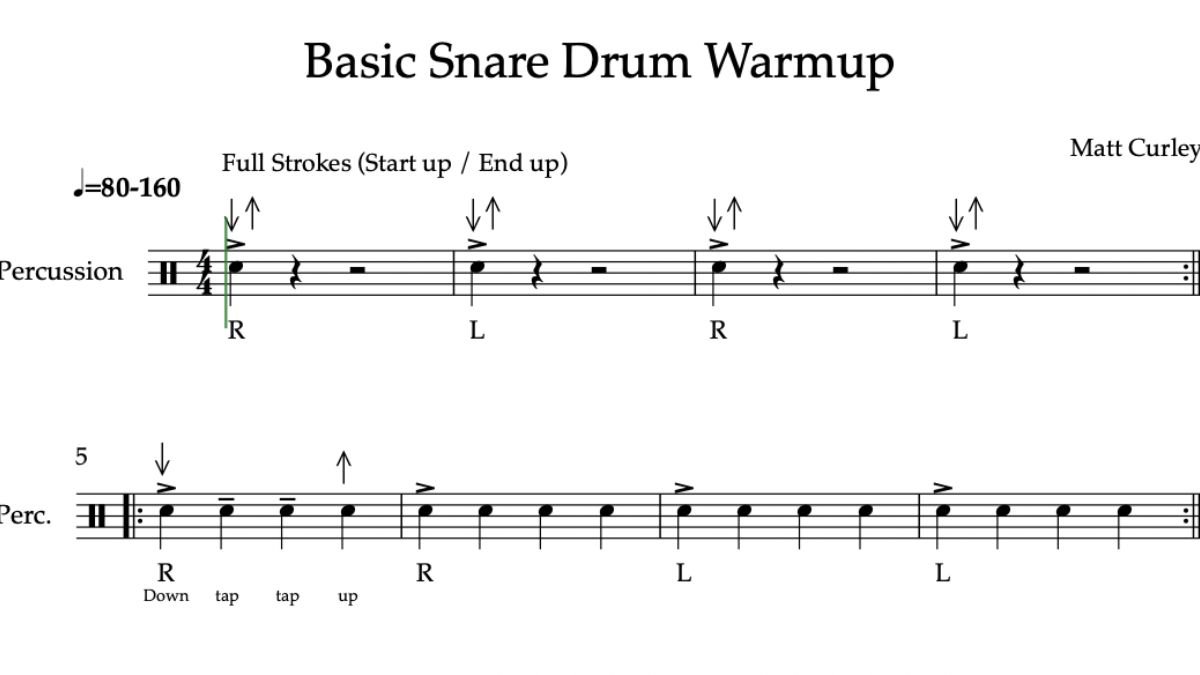
Percussion is often called the heartbeat of music. Whether it’s a drum set in a rock band, congas in a Latin ensemble, or a simple hand drum in a classroom, percussion forms the backbone of rhythm and timing. Developing basic percussion skills is not only essential for aspiring musicians but also a fun and engaging way to improve coordination, timing, and overall musicality. If you are eager to learn rhythm faster, a few carefully chosen exercises can make a significant difference.
Understanding Rhythm and Timing
Before diving into exercises, it’s crucial to understand what rhythm truly is. Rhythm is the organization of sounds and silences in time. Timing, on the other hand, is the accuracy with which you play those rhythms. Both are interdependent. A drummer or percussionist with impeccable timing can make a simple beat feel dynamic and exciting, while someone with poor timing may struggle to maintain even a basic rhythm. Developing a strong sense of rhythm requires patience, focus, and consistent practice.
Start with Basic Hand Exercises
One of the simplest ways to begin is through hand exercises. These exercises help you build coordination and muscle memory. Start by practicing simple alternating hand patterns, such as right-left-right-left, on a practice pad or even a tabletop. Focus on producing an even sound with consistent volume. Initially, keep your pace slow. Accuracy matters more than speed. Once you feel comfortable, gradually increase the tempo while maintaining control. This method trains both your hands and your mind to synchronize with a steady beat.
Explore the Metronome
A metronome is an indispensable tool for learning rhythm faster. It provides a steady pulse, allowing you to check your timing and develop consistency. Start by setting the metronome to a slow speed and practice simple quarter-note beats. As you improve, experiment with more complex rhythms like eighth notes, sixteenth notes, and dotted notes. Practicing with a metronome trains your internal clock, helping you stay in sync with other musicians and improving your overall rhythmic precision.
Incorporate Footwork and Body Movement
Percussion isn’t just about hands; footwork and body movement are equally important. For instance, drummers often use their feet to play bass drums or hi-hat pedals. Even for hand percussion, tapping your foot in time with the beat can enhance your sense of rhythm. Start by tapping your foot along with a steady metronome pulse while playing simple hand patterns. This coordination between hands and feet develops independence, making it easier to tackle complex rhythms later.
Practice Common Rhythmic Patterns
Learning a few standard rhythmic patterns can accelerate your progress. For example, practice the basic rock beat, a common Latin clave pattern, or a simple funk groove. Focus on maintaining consistent timing and clear articulation of each note. Breaking down these patterns into smaller segments can make them easier to master. Repetition is key; the more you repeat these patterns, the more naturally they will come to you during actual performance.
Use Improvisation to Build Flexibility
Once you have a basic foundation, improvisation can take your skills to the next level. Improvising with percussion allows you to explore different sounds and rhythms creatively. Start by improvising over a simple beat, keeping your rhythm steady while experimenting with fills or accents. This practice improves your ability to adapt to different musical situations and develops a deeper understanding of rhythm. Improvisation also makes practice sessions more enjoyable, keeping motivation high.
Listen and Play Along with Music
Listening actively to music and playing along is one of the most effective ways to internalize rhythm. Choose songs with clear percussion parts and try to mimic them on your practice pad or drum set. Pay attention to nuances like dynamics, tempo changes, and accents. Playing along with real music bridges the gap between exercises and actual performance, helping you develop a natural feel for timing and groove.
Consistency Over Perfection
The most important aspect of learning percussion is consistency. Even short, daily practice sessions are more effective than occasional long sessions. Focus on steady progress rather than perfection. Track your improvement over time and celebrate small achievements, whether it’s maintaining a difficult rhythm for the first time or coordinating your hands and feet successfully. Remember, rhythm is learned gradually, and persistence pays off.
Conclusion
Mastering basic percussion skills is a journey that combines patience, focus, and creativity. By starting with hand exercises, using a metronome, practicing foot coordination, learning common patterns, and incorporating improvisation and music play-along, you can accelerate your rhythm development significantly. Consistency and mindful practice are key to success. Whether you aim to play in a band, teach music, or simply enjoy drumming as a hobby, these exercises provide a solid foundation to help you learn rhythm faster and confidently bring music to life






Leave a Reply