
Entering the world of music production is exciting, but it’s also a long and patient journey. It typically takes anywhere from 2 to 10 years to become a competent and professional music producer. This depends entirely on where you start and how much time and effort you put into learning Skill. For complete beginners, it can take about 4 to 6 years to gain a good foothold. Those with prior experience with an instrument or an understanding of music theory can achieve a good level in 2 to 3 years.
There’s no set timeframe in this field. Some people gain recognition quickly due to their unique sound, while others develop their style gradually. Both paths are valid, as ultimately, success depends on consistent practice, a willingness to learn, and patience.
The Real Journey of Becoming a Music Producer
The path to becoming a music producer isn’t a straight one. Every person’s circumstances are different—what equipment they have, how much time they have, and what their goals are. Beginners typically only begin to achieve professional-level work after 3 to 5 years of consistent practice.
This journey typically progresses in stages. Basic technical understanding is developed in the first 6 to 18 months. After that, in 1 to 3 years, a person begins to discover their creative identity. Professional skills are strengthened between 1 and 5 years. Networking in the industry is a phase that never ends.
It’s worth noting that those who spend 20 hours or more per week practicing progress much faster than others. Consistency and dedication are the real difference.
What skills are truly necessary?
Technical knowledge alone is not enough to become a successful music producer. Creativity and the ability to communicate with people are equally important.
Technical skills include fluency in a digital audio workstation (DAW), understanding audio engineering, mixing and mastering techniques, sound design, and recording.
Musical knowledge includes basic music theory, proper track arrangement, creating groove-like beats, and a deep understanding of various genres.
Effective communication with artists, timely project completion, problem-solving, and positively accepting feedback are also essential. A well-rounded producer is one who has at least a good understanding of each area.
How long does it take to learn technical skills?
There’s a general timeline for learning the technical side, though the pace can vary from person to person.
Basic understanding of a DAW can come in 1 to 3 months, but developing a smooth workflow can take 6 to 12 months. Mastering shortcuts and professional techniques at an advanced level can take 1 to 2 years.
A basic understanding of sound design can be developed in 3 to 6 months, but creating unique and distinctive sounds can take 2 years or more.
Achieving professional quality in mixing and mastering requires 3 to 5 years of intense practice. The most difficult task is developing a “trend ear”—the ability to hear that can detect even subtle mistakes. This skill often takes 3 to 7 years to develop.
Focused practice always yields better results. It’s better to practice for a short period of time with a clear goal than to work for a long time without direction.
Is formal education necessary?
A degree isn’t mandatory to become a music producer. Many successful producers today are completely self-taught. A great deal can be learned through online courses, YouTube tutorials, mentorship, and practical projects.
The advantage of formal education is that it offers a structured curriculum, networking opportunities, and access to professional equipment. However, it comes at a higher cost.
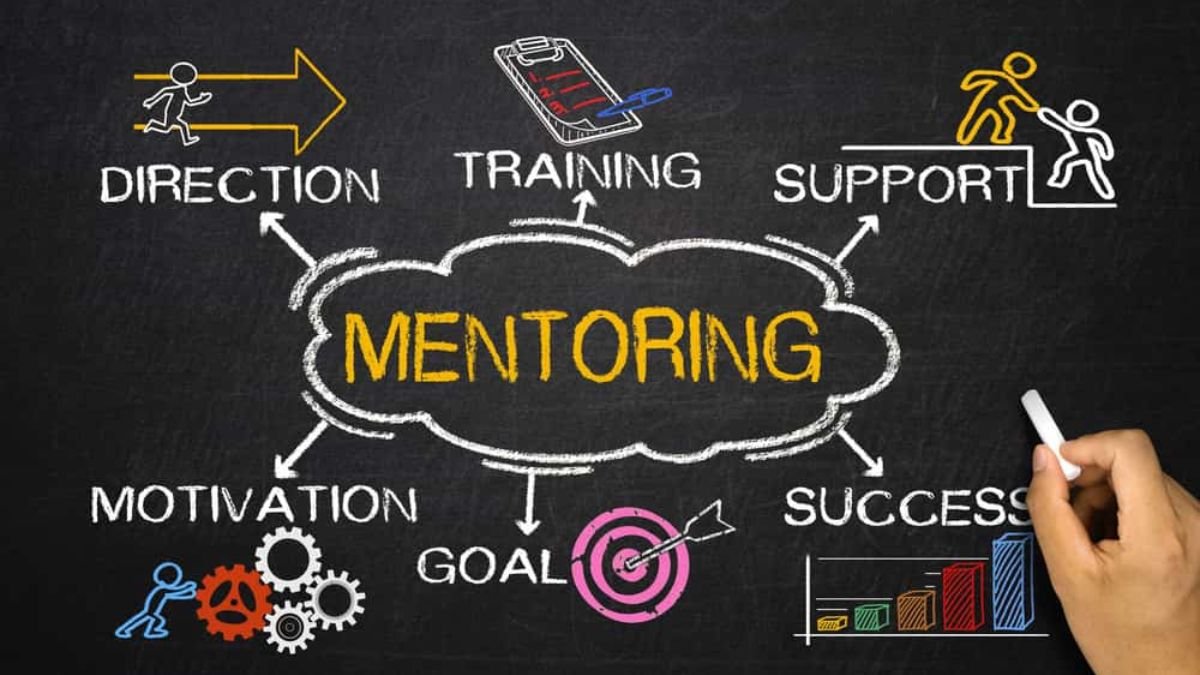
Most successful people adopt a mix of both approaches—learning online, seeking guidance from mentors, and working on real projects.
How to get started quickly?
If you want to progress quickly, master a single DAW, focus on one genre, and produce fewer but excellent tracks. Three to five high-quality songs can strengthen your portfolio.
Building a presence on platforms like SoundCloud, Spotify, and YouTube is beneficial. Working with emerging artists, creating remixes, or taking on local projects are also good ways to gain experience.
Ultimately, music production is a continuous learning process. Technology changes, trends evolve, and there’s always room for improvement. Only those who are curious, adaptable, and practice regularly will go a long way in this field.






Leave a Reply