
Choosing a creative skill to learn can feel exciting and overwhelming at the same time. Art, music, and craft all promise expression, joy, and personal growth, yet each offers a very different experience. Many beginners hesitate because they fear choosing the “wrong” one or worry that they lack talent. The truth is that there is no wrong starting point. The best creative skill to learn first depends on who you are, how you think, and what kind of fulfillment you are seeking.
This guide explores art, music, and craft in depth to help you understand their differences, emotional impact, learning curves, and long-term rewards. By the end, you will be better equipped to choose the creative path that feels most natural and motivating for you.
Understanding Creativity Before Choosing a Skill
Creativity is not limited to talent or performance. It is a way of thinking, feeling, and expressing ideas. Before deciding between art, music, or craft, it helps to understand what draws you toward creativity in the first place. Some people crave emotional expression, others enjoy structure and repetition, while some find joy in making tangible objects.
Your personality, patience level, lifestyle, and goals all influence which creative skill will feel most satisfying. Creativity grows when it aligns with your natural tendencies rather than fighting against them.
Exploring Art as a Creative Starting Point
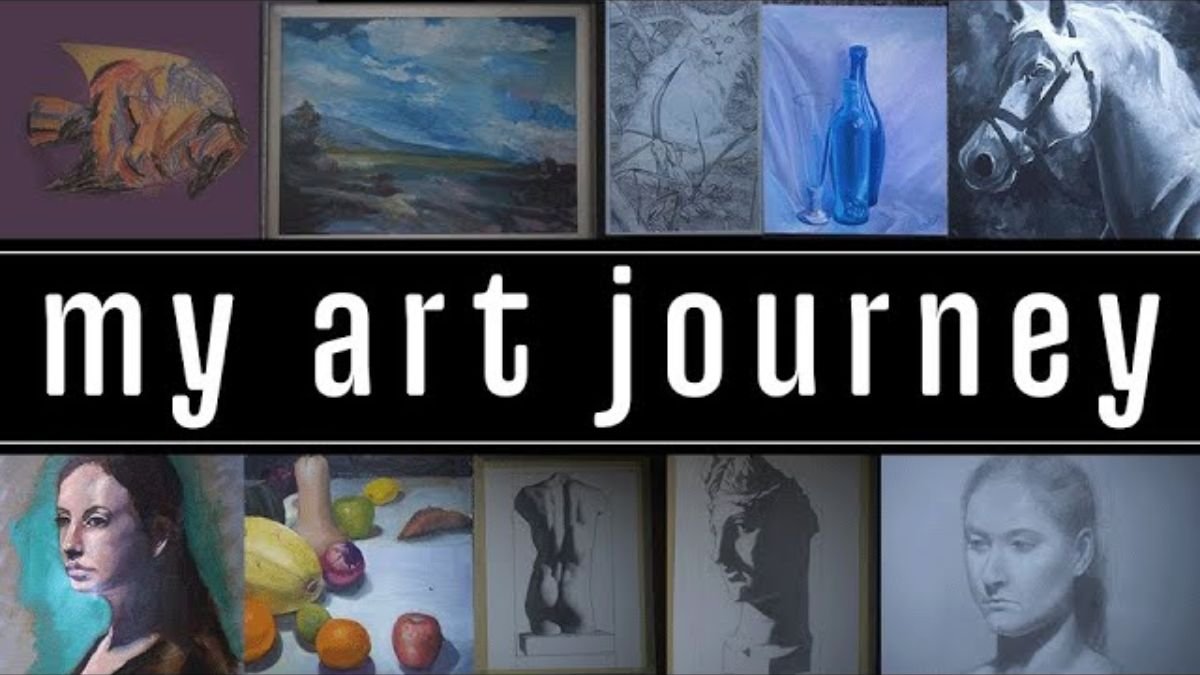
Art is often the first thing people think of when they imagine creativity. Drawing, painting, illustration, and digital art allow for visual expression and emotional release. Art is highly personal and flexible, making it appealing for beginners who want freedom rather than strict rules.
Learning art encourages observation and mindfulness. You begin to notice colors, shapes, shadows, and emotions in everyday life. Art can be forgiving because there is no single correct outcome. Mistakes often become part of the final piece, teaching beginners that imperfection can be beautiful.
For those who enjoy visual thinking and self-reflection, art can be an emotionally rewarding place to start. It allows quiet exploration and personal storytelling without needing an audience.
Challenges of Learning Art First
While art feels accessible, it can also trigger self-criticism. Many beginners compare their work to professional artists and feel discouraged. Progress in art can feel slow at first, especially when technical skills like proportion and perspective take time to develop.
Art requires patience and practice. Those who struggle with delayed gratification may feel frustrated early on. However, learners who approach art as a process rather than a performance often find deep satisfaction in gradual improvement.
Understanding Music as a Creative Path
Music is a powerful form of expression that connects emotion, rhythm, and structure. Learning music can involve singing, playing instruments, composing, or producing sounds digitally. Music engages both the emotional and logical sides of the brain, offering a balanced creative experience.
For beginners, music provides clear structure. Notes, rhythm, and patterns create a sense of direction. This can be comforting for those who enjoy guidance and measurable progress. Music also offers immediate feedback, as even simple melodies can feel rewarding.
Music has a strong emotional impact, both for the creator and the listener. Many people turn to music as a way to process feelings or connect with others.
Challenges of Learning Music First
Music often requires consistent practice and patience. Beginners may feel frustrated by coordination challenges or slow progress at the start. Learning an instrument can be physically demanding and mentally complex.
Performance anxiety can also be a concern. Music often feels more public than other creative skills, even when practiced privately. Those who fear judgment may need time to build confidence. However, structured practice and supportive learning environments can help overcome these challenges.
Exploring Craft as a Creative Entry Point
Craft includes activities like knitting, pottery, woodworking, sewing, and DIY projects. It focuses on making tangible objects using hands-on skills. Craft is ideal for beginners who enjoy physical engagement and clear outcomes.
Craft provides a strong sense of accomplishment. Completing a project results in something functional or decorative, which can be deeply satisfying. This visible progress helps build confidence quickly, especially for those who struggle with abstract creativity.
Craft also encourages mindfulness and relaxation. Repetitive motions and focused attention often reduce stress and create a calming creative experience.
Challenges of Learning Craft First
Craft often requires tools, materials, and space, which can be limiting for some beginners. Mistakes in craft can feel costly if materials are wasted, leading to hesitation or fear of trying new techniques.
Craft also involves learning technical skills that must be mastered before creative freedom fully opens. Some people may find this structured learning restrictive at first. However, once foundational skills are learned, craft becomes a powerful outlet for creativity and problem-solving.
Comparing Learning Curves Across Skills
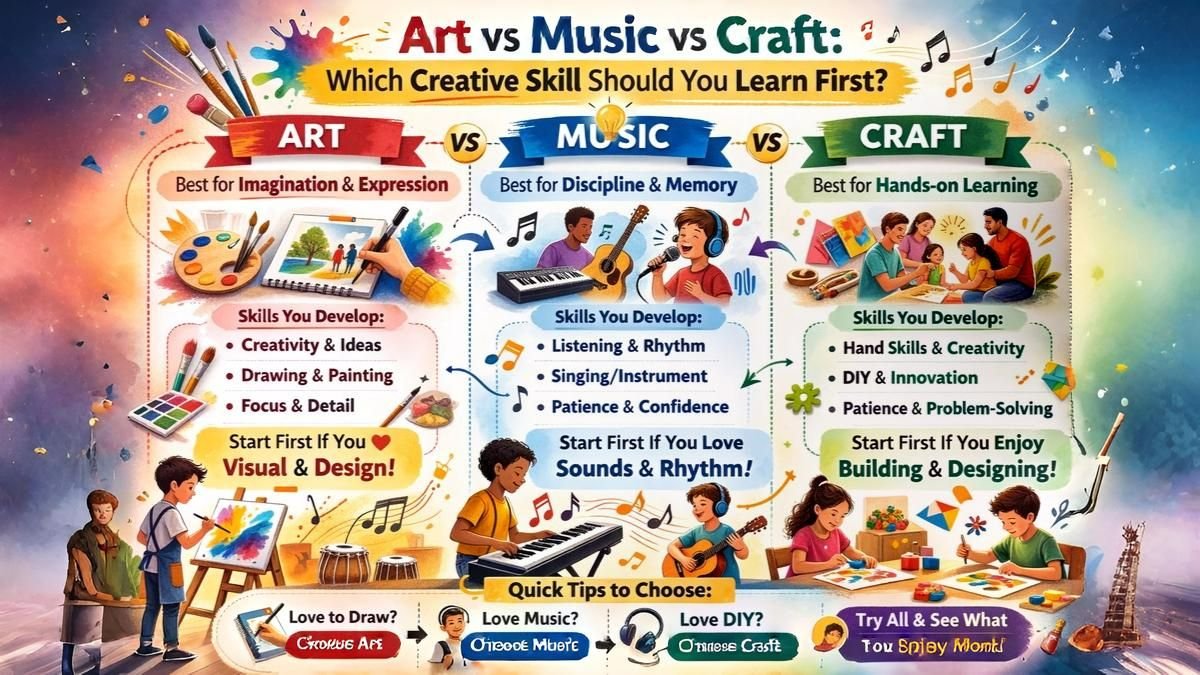
Art, music, and craft each have different learning curves. Art starts slowly but offers flexibility and emotional expression early on. Music provides structure and clear milestones but demands consistent practice. Craft delivers quick satisfaction through finished projects but requires technical precision.
Beginners who enjoy exploration and emotion may gravitate toward art. Those who like patterns and measurable progress may prefer music. People who value hands-on creation and tangible results often find craft the most rewarding.
Understanding how you respond to challenge, feedback, and structure can guide your choice.
Emotional Benefits of Each Creative Skill
Art encourages self-reflection and emotional release. It helps process thoughts and feelings visually. Music fosters emotional connection and rhythm, often improving mood and mental focus. Craft offers grounding and relaxation, helping reduce anxiety through physical engagement.
All three support mental well-being, but they do so differently. Choosing the one that aligns with your emotional needs can make creativity feel supportive rather than stressful.
Time, Lifestyle, and Accessibility Considerations
Your daily routine plays an important role in choosing a creative skill. Art often requires minimal tools and can be practiced in short sessions. Music may require dedicated practice time and quiet space. Craft may need specific materials and setup time.
If your schedule is unpredictable, art or simple crafts may be easier to integrate. If you enjoy routine and discipline, music practice can fit well into structured schedules. Accessibility matters because creativity grows when it fits naturally into daily life.
Can You Learn More Than One Creative Skill?
Many people worry that choosing one creative path means abandoning others. In reality, creativity is flexible. Skills often overlap and inform each other. Learning art can improve visual thinking in craft. Music can enhance rhythm and flow in art. Craft can strengthen patience and attention that benefit all creative work.
Starting with one skill builds confidence and momentum. Over time, curiosity may naturally lead you to explore others.
Listening to Curiosity Over Pressure
The best creative choice is the one that sparks curiosity. External pressure to choose something practical or impressive often leads to frustration. Creativity thrives when driven by genuine interest rather than obligation.
If you feel drawn to sketching, follow that instinct. If music excites you emotionally, explore it. If making things with your hands brings joy, start with craft. Curiosity is the most reliable guide.
Giving Yourself Permission to Begin Imperfectly
Many beginners delay starting because they want certainty or instant skill. Creativity does not work that way. All creative paths involve discomfort, mistakes, and learning.
Giving yourself permission to be imperfect removes pressure and opens space for growth. The goal is not mastery, but expression and discovery.
The Skill You Learn First Is Just the Beginning
Choosing between art, music, and craft is not a permanent decision. It is simply a starting point. Creativity evolves as you grow, and interests change over time.
What matters most is starting. When you engage with creativity, confidence builds, curiosity deepens, and self-expression becomes easier.
Conclusion: Choosing What Feels Right for You
Art, music, and craft each offer unique creative experiences. Art provides freedom and emotional expression. Music offers structure and connection. Craft delivers tangible results and mindful engagement.
The best creative skill to learn first is the one that fits your personality, lifestyle, and emotional needs. Trust your curiosity, start small, and allow creativity to grow naturally.
There is no wrong choice, only different paths toward self-expression. When you begin with openness and patience, any creative skill can become a meaningful and fulfilling part of your life.





Leave a Reply