

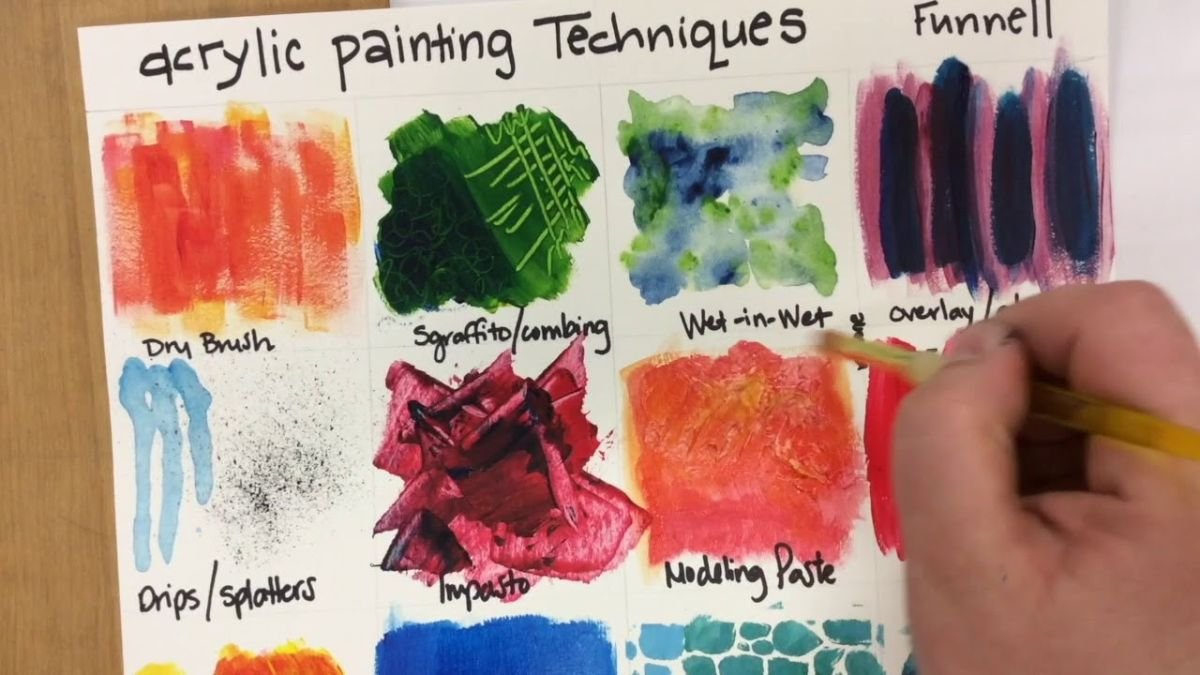
Acrylic painting is a vibrant and versatile art form that has captivated artists of all levels for decades. Its appeal lies in its flexibility, fast-drying properties, and ability to mimic both watercolor and oil paints, depending on how it is used. For beginners, stepping into the world of acrylic painting can feel both exciting and overwhelming. With so many tools, techniques, and colors to explore, it’s important to start with a clear understanding of the basics.
Essential Tools for Acrylic Painting
Starting with the right tools is the first step to creating successful acrylic artwork. At a minimum, beginners should invest in a set of quality acrylic paints. Unlike watercolors, acrylics are pigment-rich and can achieve intense colors with minimal effort. A basic set usually includes primary colors—red, blue, yellow—along with black and white, which can be mixed to create virtually any shade.
Brushes are equally important. Synthetic brushes are ideal for acrylics because they can withstand the paint’s heavier consistency and frequent washing. Beginners should focus on a few essential shapes: flat brushes for broad strokes, round brushes for detail work, and filbert brushes for blending and softer edges. Additionally, a palette for mixing colors, a jar of water for cleaning brushes, and a canvas or acrylic paper are fundamental to setting up a painting space.
Understanding Acrylic Paints
One of the unique qualities of acrylic paint is its fast drying time. Unlike oils, which can take days or even weeks to dry, acrylics can dry in minutes, allowing artists to layer colors quickly. This rapid drying can be both a blessing and a challenge. Beginners may find it difficult to blend colors smoothly on the canvas, but it also encourages experimentation and spontaneity. Acrylics are water-soluble when wet, but once dry, they become water-resistant, making the artwork durable and versatile.
Acrylic paints come in different types and consistencies. Heavy-body acrylics are thick and ideal for creating texture and impasto effects. Fluid acrylics are thinner and better suited for glazing or pouring techniques. Understanding these differences helps beginners choose the right paint for their intended effect.
Techniques to Try as a Beginner
Acrylic painting offers a wide range of techniques, each creating unique textures and effects. One of the simplest techniques is layering, where you paint one color over another after the previous layer dries. This method allows you to build depth and dimension in your artwork. Dry brushing is another effective technique that involves using a dry brush with minimal paint to create a scratchy, textured effect.
Blending is a slightly more advanced technique, requiring swift brushwork to mix colors directly on the canvas before they dry. Glazing, on the other hand, uses thin, translucent layers of paint to modify the underlying colors, adding richness and luminosity. For beginners, practicing these techniques on scrap paper or smaller canvases can build confidence before attempting a full composition.
Tips for Success in Acrylic Painting
Patience and practice are essential for mastering acrylic painting. While the paint dries quickly, learning to control brush strokes, color mixing, and layering takes time. Beginners should start with simple compositions, focusing on shapes, colors, and contrasts rather than complex scenes. Mixing colors on a palette rather than directly on the canvas ensures cleaner results and more predictable shades.
Another tip is to embrace mistakes. Acrylics are forgiving, and errors can often be painted over or transformed into new elements of the artwork. Additionally, keeping brushes and palettes clean is crucial, as dried paint can damage brushes and make color mixing difficult. Finally, protecting finished paintings with a varnish not only enhances vibrancy but also ensures longevity.
Conclusion
Acrylic painting is an accessible and rewarding art form for beginners. By understanding the essential tools, familiarizing oneself with the paint types, and practicing fundamental techniques, even a novice can create impressive pieces. The key is to explore, experiment, and enjoy the process, rather than focusing solely on perfection. Over time, as skills develop, acrylics offer endless opportunities to express creativity, whether through bold, abstract strokes or detailed, realistic portrayals. With dedication and a willingness to learn, the journey into acrylic painting can be both inspiring and deeply satisfying.











Leave a Reply