

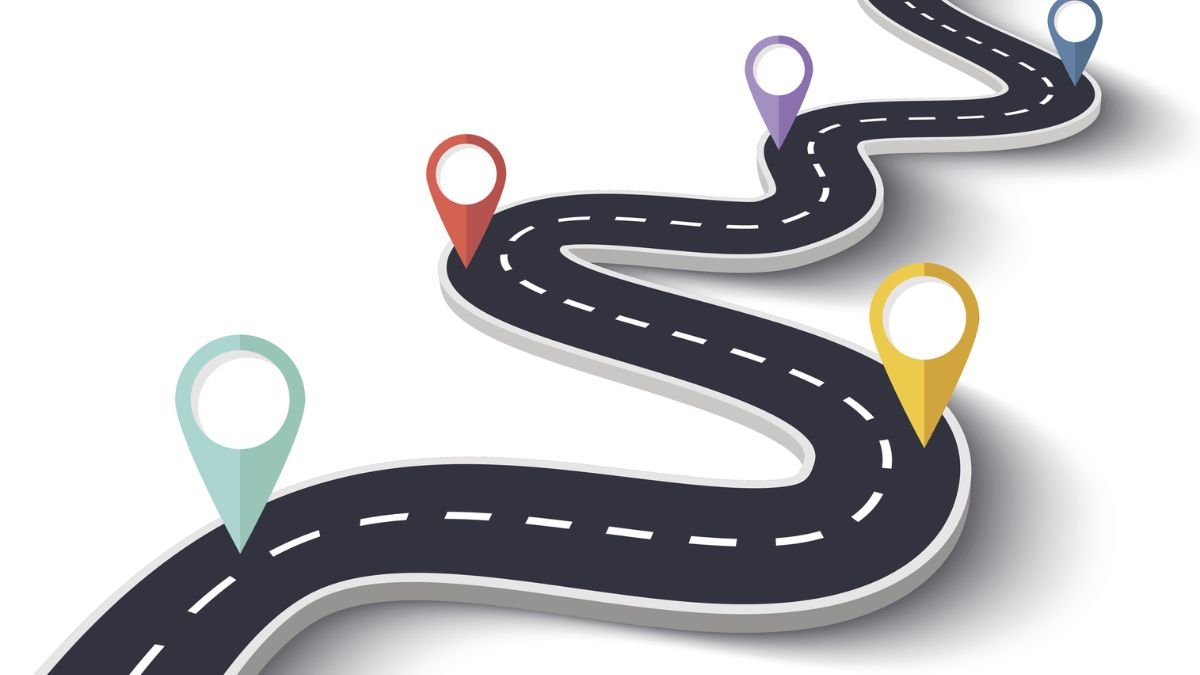
Starting a creative skill can feel overwhelming. Whether it’s painting, writing, music, photography, or design, beginners often imagine mastery as something that takes years. While long-term mastery does take time, the first 90 days are incredibly powerful. Three months is long enough to build real skill, confidence, and momentum, yet short enough to stay focused and motivated. A 90-day roadmap gives structure to your creativity and transforms vague ambition into daily action. Instead of asking, “Can I really do this?” you begin asking, “How far can I go next?”
Understanding What “Mastery” Means as a Beginner
For beginners, mastery does not mean perfection. It means control, clarity, and confidence. By the end of 90 days, mastery looks like understanding the fundamentals, expressing ideas without constant hesitation, and knowing how to improve intentionally. Many people quit creative skills because they aim for expert-level results too soon. A beginner’s roadmap redefines success. The goal is not to be flawless but to be fluent enough to create consistently and learn independently. This shift in mindset removes pressure and replaces it with progress.
Preparing Your Mind Before You Begin
Before touching tools or practicing techniques, preparation starts in the mind. Creative growth requires patience, curiosity, and self-compassion. In the first few days, it’s important to accept that discomfort is part of learning. You will feel awkward, slow, and unsure—and that’s normal. Instead of judging your output, focus on showing up. In this phase, commitment matters more than talent. When you stop waiting to feel “ready” and begin anyway, creativity becomes a habit rather than a performance.
The First 30 Days: Building Foundations
The first month is about laying strong foundations. This is when beginners learn the language of their chosen skill. In art, it may be shapes, shading, and color. In music, it could be rhythm, scales, or chords. In writing, it’s clarity, structure, and voice. Progress may feel slow during this phase, but it is deeply important. You are training your brain and hands to work together. Repetition builds familiarity, and familiarity builds confidence. By the end of 30 days, you begin to recognize patterns and mistakes, which is a sign of real learning.
Creating a Daily Practice That Actually Works
Consistency is the engine of creative growth. A daily practice does not need to be long, but it must be intentional. Thirty to sixty minutes of focused work each day is far more powerful than occasional long sessions. During this stage, the goal is to make practice automatic. When creativity becomes part of your daily rhythm, resistance fades. Some days will feel inspired, others dull. Both count. What matters is returning again and again, allowing progress to accumulate quietly over time.
Overcoming the Fear of Being “Bad”
One of the biggest obstacles beginners face is the fear of producing bad work. This fear can paralyze creativity before it even begins. The truth is that bad work is not failure; it is evidence of effort. Every skilled creator has a history filled with imperfect attempts. In the first 90 days, quantity matters more than quality. Each piece you create, no matter how flawed, trains your instincts and sharpens your awareness. When you stop avoiding mistakes, improvement accelerates naturally.
Days 31–60: From Learning to Applying
The second month marks a turning point. This is when knowledge begins to transform into skill. You move from simply following instructions to applying what you’ve learned in your own way. Your confidence grows, but so does your awareness of gaps. This stage can feel frustrating because you see what’s possible but haven’t fully reached it yet. That frustration is a sign of growth. You are no longer guessing; you are refining. With consistent practice, your work becomes more intentional and expressive.
Developing Your Creative Voice
As skills improve, your creative voice starts to emerge. You may notice preferences forming—certain styles, themes, or techniques that feel natural to you. This is an exciting phase because creativity becomes personal rather than mechanical. Instead of copying examples exactly, you begin adapting them. Your work starts reflecting your personality, emotions, and perspective. This sense of ownership fuels motivation and makes practice more meaningful. Creativity stops feeling like homework and starts feeling like self-expression.
Managing Plateaus and Self-Doubt
Almost every beginner experiences a plateau around the middle of the journey. Progress feels slower, and excitement may dip. This is where many people quit, mistakenly believing they lack talent. In reality, plateaus are a natural part of skill development. Growth is not linear. During this phase, small adjustments make a big difference. Changing practice methods, seeking feedback, or revisiting fundamentals can reignite progress. Trusting the process during these quiet moments builds resilience and discipline.
Days 61–90: Refinement and Confidence
The final month focuses on refinement. By now, you understand the basics and can create independently. This phase is about polishing, experimenting, and pushing boundaries. You may challenge yourself with more complex projects or explore new approaches. Mistakes still happen, but they feel less intimidating. Confidence grows not because your work is perfect, but because you know how to improve it. At this stage, creativity feels less fragile and more reliable.
Turning Practice Into Real Projects
One powerful way to solidify learning is by completing small projects. These could be finished drawings, songs, short stories, or designs. Completing projects teaches planning, problem-solving, and follow-through. It also provides a sense of accomplishment that fuels motivation. In the final weeks, projects help transition you from “learner” to “creator.” You stop practicing in isolation and begin sharing your work with the world, even if only with yourself at first.
Measuring Progress Without Comparison
Comparing yourself to others can quickly drain joy from creativity. During this roadmap, progress should be measured against your past self, not someone else’s highlight reel. Look back at your early attempts and notice improvements in clarity, control, and confidence. These changes may feel subtle day to day but become obvious over time. When you measure growth honestly, motivation stays rooted in reality rather than insecurity.
Building a Creative Identity
By the end of 90 days, something important shifts. You no longer see yourself as someone “trying” to learn a creative skill. You begin to identify as a creator. This identity change is powerful. It affects how you approach challenges, how you talk about your work, and how you plan your future. Creativity becomes part of who you are, not just something you do occasionally. This mindset makes long-term growth not only possible but enjoyable.
What Happens After 90 Days?
The end of the roadmap is not the end of the journey. It is the beginning of a sustainable creative life. With foundations in place, continued improvement becomes easier and more rewarding. You know how to practice, how to learn, and how to overcome obstacles. Whether you continue for another 90 days or simply maintain your routine, the hardest part—starting and staying consistent—is already behind you.
Final Thoughts on Mastering Creativity as a Beginner
Mastering a creative skill in 90 days is not about shortcuts or overnight success. It is about focused effort, realistic expectations, and trust in the process. When beginners commit to steady practice, embrace mistakes, and stay patient, progress becomes inevitable. Creativity thrives not on talent alone, but on dedication and curiosity. With the right roadmap, the next 90 days can transform uncertainty into confidence and possibility into reality.








Leave a Reply