


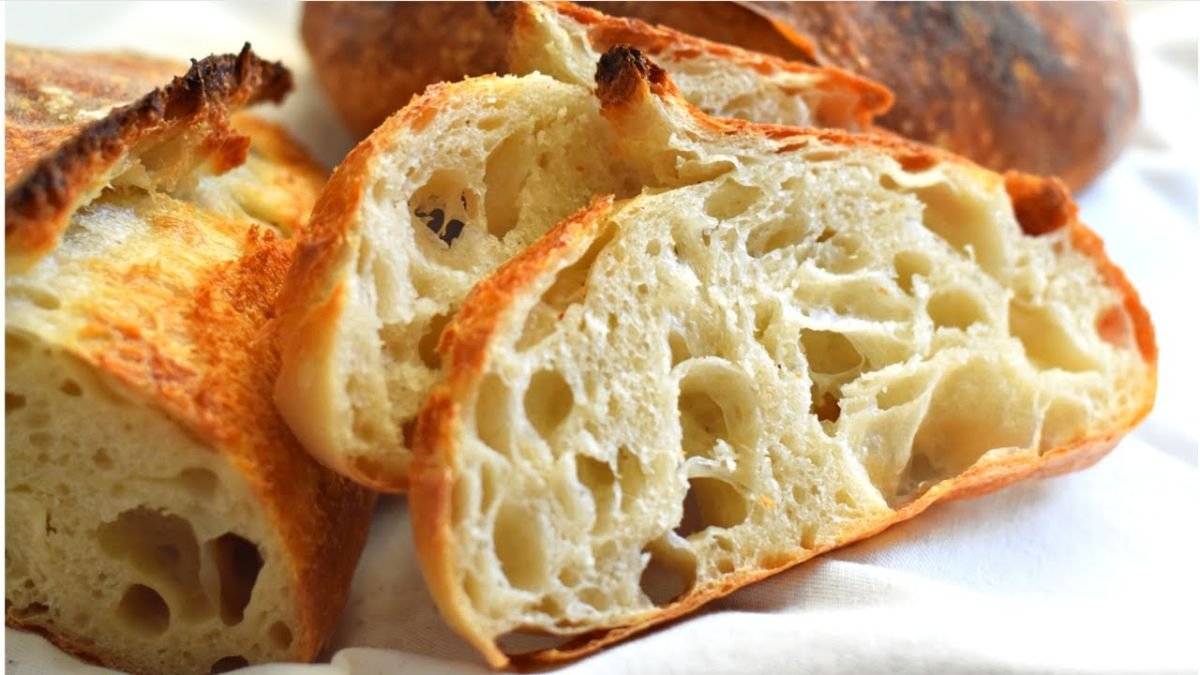
Home Cake bread baking creates fresh, aromatic, and crunchy bread which delivers a magical experience. The warm loaf of bread that comes out of the oven creates a home aroma which provides a one-of-a-kind experience. Artisan breadmaking requires more than a recipe because it combines artistic elements with essential skills and ingredient knowledge. The process of making perfect homemade artisan bread requires you to learn essential basic secrets.
Choosing the right ingredients is half the battle.
The best artisan bread starts with high-quality ingredients. The flour or bread flour should be high in protein, which strengthens the gluten and gives the bread its desired texture. Using fresh yeast or an active sourdough starter is also crucial.
Home bread baking creates fresh, aromatic, and crunchy bread which delivers a magical experience. The warm loaf of bread that comes out of the oven creates a home aroma which provides a one-of-a-kind experience. Artisan breadmaking requires more than a recipe because it combines artistic elements with essential skills and ingredient knowledge. The process of making perfect homemade artisan bread requires you to learn essential basic secrets.
Choosing the right ingredients is half the battle.
The best artisan bread starts with high-quality ingredients. The flour or bread flour should be high in protein, which strengthens the gluten and gives the bread its desired texture. Using fresh yeast or an active sourdough starter is also crucial.
Water quality is also important. Lukewarm, clean water helps activate the yeast. Salt not only enhances flavour but also strengthens the gluten structure. Artisan breads have fewer ingredients, so the quality of each ingredient directly impacts the final result.
The Correct Dough Kneading Technique
The true secret of artisan bread lies in the development of gluten. Be patient when kneading. If kneading by hand, fold and press the dough for at least 8–10 minutes. This makes the dough smooth and pliable.
Some people also use the “no-knead” technique, which involves letting the dough rest for a longer period. This method allows the gluten to develop naturally through slow fermentation. Both techniques can produce excellent results, but the balance of time and method is essential.
The Importance of Slow Fermentation
The key to artisan bread’s uniqueness lies in its slow fermentation. When the dough is given adequate time, the flavour deepens and the texture improves.
You can perform cold fermentation by leaving the dough in the refrigerator overnight. This allows the bread to develop a slight sourness and complex flavours. This process requires patience, but the end result is extremely satisfying.
Proper Shaping and Proofing
When the dough has risen for the first time, gently shape it. While shaping, it’s important to create a slight tension on the surface of the dough so that the bread takes its proper shape during baking.
Proofing serves as the process which permits dough to ascend during its ultimate rising stage prior to baking. The bread will become compact when dough undergoes insufficient proofing, whereas excessive proofing will cause the bread dough to collapse. The correct time for testing should be evaluated through the finger test, which assesses dough readiness by observing whether finger marks return to their original position.
Baking Temperature and the Magic of Steam
For perfect artisan bread, the oven temperature should be quite high, around 220–250 degrees Celsius. High temperatures help the bread rise faster and create a good crust.
Creating steam in the oven is also important. You can place a tray filled with water in the oven or lightly sprinkle water on the bread. The steaming makes the outer surface of the bread crispy and golden, while the inside remains soft and light.
Scoring: Beauty and Control
Bakers need to score bread surfaces before the baking process begins. This function serves two purposes because it provides decorative elements while allowing bakers to regulate gas expansion during the baking process. Proper scoring gives the bread an attractive appearance and a better texture.
Patience and practice are the key.
Making artisan bread is a process that improves with practice. Don’t be discouraged if the results aren’t perfect at first. You’ll learn something new each time—sometimes the texture of the dough, sometimes the effect of temperature, sometimes the difference in fermentation.
Patience, the right ingredients, and the balance of technique are the true secrets to perfect homemade artisan bread.
Conclusion
Home artisan bread baking enables people to experience both cooking skills and artistic expression. The perfect loaf results from combining proper ingredients with slow fermentation and balanced proofing and a high-temperature baking process.
When you bite into your first slice of homemade bread and feel the softness beneath its crisp crust, you’ll realise the hard work was completely worth it. Remember, the secret to perfection lies not only in technique but also in love and patience.






Leave a Reply