

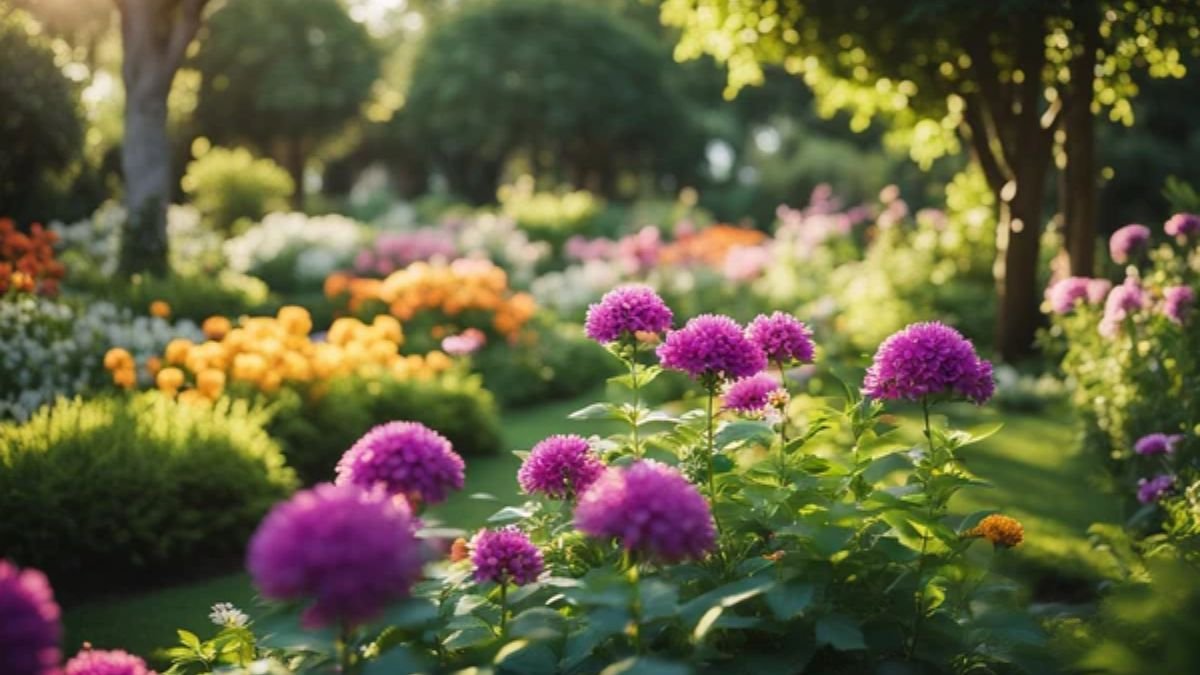
Most of the time, we use flowers for decoration or simply to make an event more beautiful; nevertheless, have you ever thought about how flower colors could affect your psychological well-being Health It has been discovered through various studies carried out by psychologists that the color choices we make play a crucial role in affecting our emotions and mindsets. In particular, flower colors have the ability to affect our moods in such a way that warm colors aid in curing depression, whereas cold colors can relieve stress and anxiety.
The Scientific Impact of Colors on the Mind
Colors have a direct effect on our brains. When we perceive a specific color, our brain activates the emotions associated with it. For instance, warm colors—such as red, orange, and yellow—evoke feelings of energy, enthusiasm, and positivity. Conversely, cool colors—such as blue, green, and purple—foster a sense of peace, stability, and balance.
Psychologists believe that by incorporating the right colors into our immediate environment, we can significantly improve our mental well-being. This is precisely why “color therapy”—the practice of using colors as a therapeutic tool—is gaining considerable importance in modern times.
Warm Colors: Helpful in Alleviating Depression
Individuals struggling with issues such as sadness, fatigue, or depression should opt for flowers featuring warm colors. Examples include red roses, yellow sunflowers, or orange marigolds—colors that symbolize energy and enthusiasm.
When you gaze upon these colors, your mind gradually begins to shift toward a more positive state. These hues infuse you with renewed energy and make you feel more active and invigorated. Therefore, placing these flowers in your room or workspace can serve as an effective aid in uplifting your mood.
Cool Colors: Helpful in Calming Anxiety and Stress
In today’s fast-paced world, anxiety and stress have become pervasive issues. In such circumstances, flowers featuring cool colors can prove to be immensely beneficial. Flowers such as blue hydrangeas, white lilies, or light purple lavender bring a sense of peace to the mind.
These colors help relax our minds and assist in maintaining emotional balance. This is particularly beneficial if you experience high levels of stress; keeping flowers of these colors in your surroundings can provide you with a profound sense of tranquility.
Choosing Flowers: Beyond Beauty—Towards Mental Balance
It is time we stopped viewing flowers merely as decorative elements and instead embraced them as allies for our mental well-being. When you select flowers with a specific intention in mind, it can usher in positive changes in your life.
If you find yourself feeling fatigued or weighed down by negativity throughout the day, consider keeping flowers in warm colors in your home. Conversely, if you seek peace and balance, prioritize flowers in cool colors. This simple adjustment can significantly enhance your quality of life.
Conclusion: Understand and Embrace the Power of Color
The colors of flowers do not merely delight the eye; they also exert a profound influence on our minds and emotions. According to psychologists, by making the right color choices, we can effectively improve our mental health.
Whether you are grappling with depression or struggling with anxiety, the colors of flowers can offer you support. Therefore, the next time you purchase flowers, look beyond their aesthetic beauty and consider the significance of their colors and the impact they can have. This small step has the potential to bring about a major positive transformation in your life.
FAQs
Q1. How do flower colors affect mental health?
A. Flower colors influence emotions—warm tones boost mood, while cool tones promote calmness and relaxation.
Q2. Which flower colors are best for depression?
A. Warm colors like red, yellow, and orange can help improve mood and reduce feelings of depression.
Q3. Which colors help reduce anxiety?
A. Cool tones such as blue, green, and lavender help calm the mind and ease anxiety.















Leave a Reply