


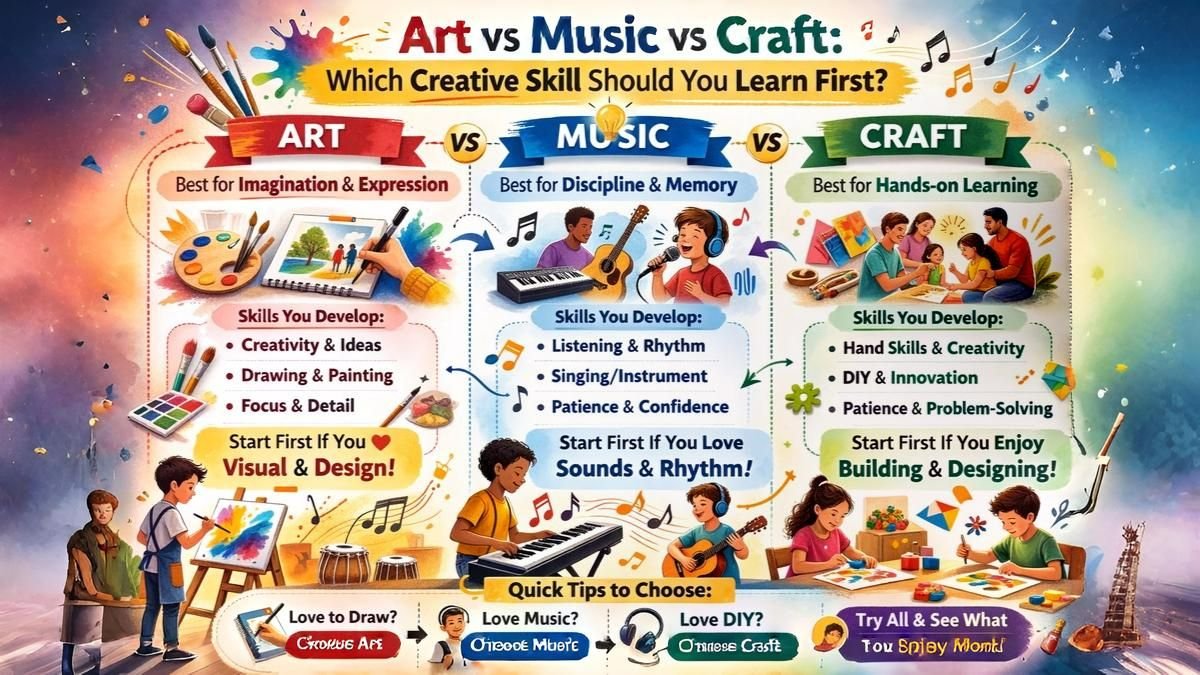
In today’s fast-paced world, mental health and productivity are closely connected. Constant notifications, deadlines, and expectations leave many people feeling overwhelmed and mentally exhausted. In this environment, creative hobbies have emerged as more than just leisure activities. They have become powerful tools for emotional balance and improved performance. Whether it’s painting, writing, music, gardening, crafting, or photography, creative hobbies offer a safe space where the mind can slow down, process emotions, and recharge.
Understanding Creative Hobbies Beyond Entertainment
Creative hobbies are often dismissed as optional or unproductive, especially in cultures that prioritize constant output. However, creativity is not simply about producing art. It is about engaging the mind in a way that encourages expression, curiosity, and exploration. When people create something, even casually, they activate parts of the brain associated with problem-solving, emotional regulation, and focus. This mental engagement creates a balance between effort and enjoyment, which is essential for long-term mental well-being.
How Creativity Supports Mental Health
One of the most profound benefits of creative hobbies is their impact on mental health. Creative activities provide an outlet for emotions that are difficult to express through words alone. Stress, anxiety, sadness, and frustration often find release through drawing, music, or writing. This emotional release reduces internal tension and helps people feel lighter and more grounded. Over time, regular creative practice can improve mood stability and emotional resilience.
Creativity as a Natural Stress Reliever
Stress is one of the biggest threats to mental health and productivity. Creative hobbies naturally reduce stress by shifting attention away from worries and toward the present moment. When fully engaged in a creative task, the mind enters a state of focus similar to meditation. Thoughts slow down, breathing becomes steady, and the nervous system relaxes. This calm mental state lowers stress hormones and helps the body recover from daily pressures.
Building Emotional Awareness Through Creative Expression
Creative hobbies encourage self-reflection. Writing in a journal, composing music, or even sketching allows individuals to explore their thoughts and feelings without judgment. This process builds emotional awareness, which is essential for mental health. When people understand their emotions, they are better equipped to manage them. Creativity acts as a mirror, helping individuals recognize patterns, triggers, and personal needs that might otherwise remain hidden.
Creativity and the Sense of Purpose
Mental health is strongly influenced by a sense of purpose and meaning. Creative hobbies contribute to this by offering a feeling of progress and personal achievement. Completing a small project, learning a new technique, or simply improving over time creates satisfaction. This sense of growth reinforces self-worth and confidence. Even when life feels chaotic, having a creative outlet provides a steady source of meaning that is not dependent on external validation.
The Link Between Creativity and Productivity
At first glance, spending time on creative hobbies may seem unrelated to productivity. In reality, creativity enhances productivity by improving focus, motivation, and problem-solving ability. When the brain is given time to rest and reset through enjoyable activities, it functions more efficiently. Creative hobbies act as mental maintenance, preventing burnout and mental fatigue that often reduce work performance.
Creativity Improves Focus and Attention
Creative activities require sustained attention, whether it’s practicing an instrument or working on a piece of art. Over time, this strengthens the brain’s ability to concentrate. People who regularly engage in creative hobbies often find it easier to focus on work tasks and avoid distractions. This improved attention span translates into better efficiency and higher-quality output in professional and personal responsibilities.
Boosting Motivation Through Enjoyment
Productivity is not just about discipline; it is also about motivation. Creative hobbies bring joy and excitement, which can spill over into other areas of life. When individuals experience enjoyment and fulfillment outside of work, they are more energized and motivated to complete necessary tasks. This balance prevents the feeling that life revolves solely around obligations, making productivity feel more sustainable and less draining.
Enhancing Problem-Solving Skills
Creativity naturally involves experimentation and problem-solving. Artists adjust techniques, writers refine ideas, and musicians explore variations. This flexible thinking strengthens the brain’s ability to approach challenges from multiple angles. As a result, people who engage in creative hobbies often become better at finding solutions in their work and daily life. They are more open to new ideas and less intimidated by complex problems.
Creativity and Mental Flexibility
Mental flexibility is the ability to adapt to change and think creatively under pressure. Creative hobbies encourage this by allowing individuals to explore possibilities without fear of failure. There is no single “right” outcome in creativity, which fosters openness and adaptability. This mindset carries into work environments, where flexibility and innovation are increasingly valued.
The Role of Creativity in Preventing Burnout
Burnout occurs when mental and emotional resources are depleted over time. Creative hobbies act as a protective barrier against burnout by offering regular mental breaks. These activities provide rest without passivity, allowing the brain to recover while remaining engaged. People who prioritize creative time are often better at maintaining energy and enthusiasm over long periods.
Creativity and Self-Confidence
Engaging in creative hobbies builds confidence by encouraging personal expression. Unlike tasks that are constantly evaluated by others, creative activities are often self-directed. This autonomy allows individuals to trust their instincts and develop a stronger sense of identity. Increased self-confidence improves mental health and positively affects productivity, as confident individuals are more willing to take initiative and tackle challenges.
Creativity as a Tool for Mindfulness
Many creative hobbies naturally promote mindfulness. Focusing on colors, sounds, textures, or words anchors attention in the present moment. This mindfulness reduces rumination and anxiety, which are major obstacles to mental clarity and productivity. Over time, mindfulness developed through creativity can improve emotional regulation and reduce mental clutter.
Balancing Creativity With Daily Responsibilities
One common misconception is that creative hobbies require large amounts of time. In reality, even short creative sessions can be beneficial. Consistency matters more than duration. Integrating creativity into daily routines helps maintain mental balance without interfering with responsibilities. This balance makes productivity more sustainable and mental health easier to maintain.
Creativity in a Results-Driven Society
In a world focused on measurable outcomes, creative hobbies offer a refreshing contrast. They remind people that not all value is quantifiable. This shift in perspective reduces pressure and perfectionism, which are common sources of stress. By allowing space for imperfection and exploration, creativity supports healthier mental patterns and more relaxed productivity.
Long-Term Benefits of Creative Engagement
The benefits of creative hobbies increase over time. Regular engagement strengthens emotional resilience, cognitive function, and self-awareness. These long-term effects contribute to better mental health and consistent productivity. Creativity becomes a lifestyle habit that supports both personal and professional growth.
Creativity as a Personal Support System
Creative hobbies act as a personal support system during difficult times. When external circumstances feel uncertain, creativity provides stability and comfort. This emotional grounding improves mental strength and helps individuals remain productive even under stress. Having a creative outlet means never being completely disconnected from self-expression and emotional relief.
Final Thoughts on Creativity, Mental Health, and Productivity
Creative hobbies are far more than pastimes. They are essential tools for maintaining mental health and enhancing productivity in a demanding world. By reducing stress, improving focus, boosting motivation, and fostering emotional awareness, creativity supports a balanced and fulfilling life. When people allow themselves time to create, they invest not only in personal happiness but also in sustainable productivity. In a society that often values constant output, creative hobbies remind us that rest, expression, and enjoyment are not distractions from success—they are foundations of it.










Leave a Reply