

Many people believe creativity is a gift you are either born with or not. This belief quietly convinces countless individuals that they are “not creative,” pushing their hidden talents further into the background. In reality, creativity lives in everyone. It may show up as writing, problem-solving, design, storytelling, innovation, music, cooking, teaching, or even the way you connect ideas. Discovering your hidden creative talent is less about finding something new and more about uncovering what has been quietly developing within you all along.
This guide walks you step by step through that discovery process. It focuses on reflection, awareness, and practice, helping you reconnect with curiosity, confidence, and self-expression in a way that feels natural and human.
Understanding What Creative Talent Really Means
Creative talent is not limited to art galleries or performance stages. It is the ability to see possibilities, express ideas, and bring something original into the world. Creativity can be loud or subtle. It can thrive in silence or collaboration. Some people express it visually, others through words, strategy, empathy, or innovation.
When creativity is misunderstood as something narrow, people often overlook their own abilities. A person who finds unique solutions at work, someone who can tell engaging stories, or another who designs efficient systems is expressing creativity just as much as a painter or musician. Recognizing this broader definition is the first step toward discovering your own creative strengths.
Letting Go of Limiting Beliefs
One of the biggest barriers to discovering creative talent is self-doubt. Many adults carry beliefs formed in childhood, such as being told they were not good at drawing, writing, or performing. Over time, these messages turn into internal rules that restrict exploration.
Creativity requires permission. You must allow yourself to experiment without expecting perfection. Letting go of the need to be immediately good at something opens space for growth. When judgment fades, curiosity naturally takes its place. Creativity thrives in environments where mistakes are allowed and exploration feels safe.
Reconnecting With Childhood Curiosity
Childhood often holds clues to hidden creative talent. As children, people explore freely, drawn to activities that excite them without worrying about outcomes. Think back to what captured your attention when you were younger. It could have been building things, making up stories, arranging objects, solving puzzles, or performing for others.
These early interests often fade due to responsibilities, expectations, or fear of failure. Revisiting them with adult perspective can reignite creative energy. You may find that what once felt like play now feels like purpose, expression, or even a potential path for personal growth.
Paying Attention to What Energizes You
Creative talent often reveals itself through energy. Notice the activities that make you lose track of time or feel mentally refreshed instead of drained. These moments of flow offer valuable information about where your natural creativity lives.
Pay attention to tasks that spark ideas, excite conversation, or inspire you to learn more. Creativity often hides behind enjoyment. When something feels meaningful or engaging without external pressure, it may be aligned with your creative strengths.
Exploring Without Pressure or Labels
Many people hesitate to explore creativity because they feel pressure to choose a label. Writer, artist, musician, or designer can feel intimidating when you are still discovering. The truth is that exploration does not require commitment. You are allowed to try, stop, return, and change direction.
Allow yourself to experiment with different forms of expression without expecting results. Write for yourself, sketch without showing anyone, create music that never leaves your room, or brainstorm ideas just for fun. Creativity grows when it is free from performance expectations.
Listening to Your Natural Way of Thinking
Creative talent often aligns with how your mind works. Some people think visually, others verbally, while some connect ideas through patterns or emotions. Observing how you process information can reveal where creativity flows most naturally.
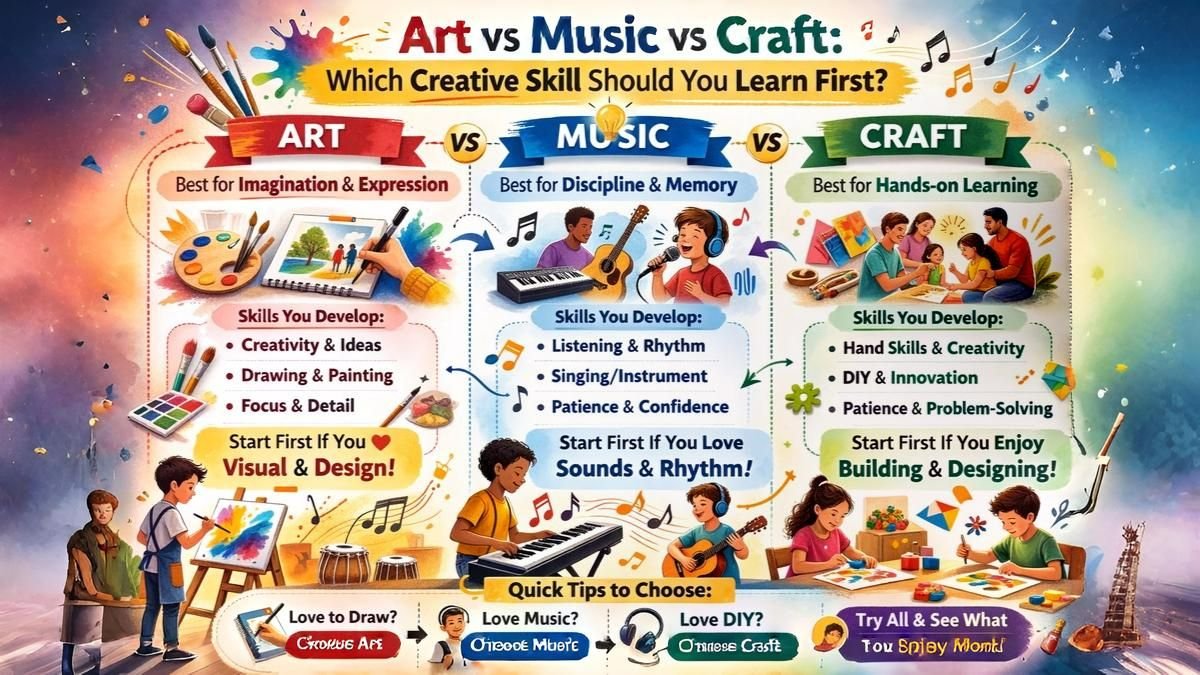
If you enjoy explaining concepts clearly, storytelling or teaching may be your strength. If you love visual harmony, design or photography might resonate. If you enjoy connecting unrelated ideas, innovation or problem-solving could be your creative outlet. Creativity does not force itself into one form. It follows your natural thinking style.
Building a Habit of Creative Practice
Creativity strengthens through consistency, not inspiration alone. Waiting to feel creative often leads to long pauses. Instead, regular practice creates momentum and confidence. This does not require large blocks of time. Even short moments of daily creative engagement can lead to powerful discoveries.
Treat creativity as a conversation rather than a performance. Show up regularly, even when ideas feel unclear. Over time, patterns emerge. Skills develop quietly, and self-trust grows. Creativity becomes something you do, not something you wait for.
Learning From Discomfort and Resistance
Creative growth often comes with discomfort. Resistance appears when you are stepping outside familiar territory. Self-criticism, comparison, or fear of judgment may surface, especially when you are close to something meaningful.
Instead of avoiding discomfort, observe it. Resistance often signals importance. When something matters, the mind tries to protect you from risk. Acknowledging this without letting it control your actions allows creativity to move forward. Courage in creativity is not the absence of fear, but the decision to continue despite it.
Seeking Inspiration Without Comparison
Inspiration fuels creativity, but comparison can quickly extinguish it. Consuming creative work should expand your perspective, not shrink your confidence. When you admire someone else’s creativity, let it motivate curiosity rather than competition.
Ask yourself what resonates about their work. Is it the emotion, structure, message, or process? Inspiration reveals what you value. It acts as a mirror, reflecting parts of your own creative potential waiting to be expressed.
Allowing Creativity to Evolve Naturally
Hidden creative talent does not always reveal itself instantly. It unfolds through layers of experience, practice, and reflection. What begins as curiosity may grow into skill. What feels like a hobby may develop into purpose. Creativity evolves as you do.
Avoid forcing outcomes or defining success too early. Creative paths rarely follow straight lines. Trust the process and allow interests to shift. Growth happens through exploration, not rigid plans.
Integrating Creativity Into Everyday Life
Creativity does not need special conditions. It can be integrated into daily routines through small choices. The way you organize your space, solve problems, communicate ideas, or approach challenges can all be creative expressions.
When creativity becomes part of everyday life, it feels less intimidating and more accessible. This integration removes the pressure to create something extraordinary and focuses instead on authentic expression.
Recognizing Growth and Celebrating Progress
Creative confidence grows when progress is acknowledged. Take time to notice improvements, new ideas, or moments of clarity. These small milestones build motivation and self-belief.
Celebration does not require external validation. It can be as simple as recognizing effort or enjoying the act of creation itself. When creativity is appreciated internally, it becomes sustainable.
Sharing Your Creativity When You Are Ready
Sharing creative work can deepen growth, but it should happen at your pace. Some creativity is meant to be private, while other expressions benefit from connection and feedback. There is no correct timeline.
When you feel ready, sharing can build confidence, open opportunities, and create meaningful connections. Choose supportive environments that encourage growth rather than judgment. Creative talent flourishes where it is respected and nurtured.
Trusting That Creativity Belongs to You
Discovering your hidden creative talent is a journey of self-trust. Creativity is not something you earn permission to have. It is something you already possess. The process is not about becoming someone else, but about becoming more fully yourself.
By letting go of fear, exploring with curiosity, and practicing consistently, creativity naturally reveals itself. It may not look like what you expected, but it will feel authentic. When creativity aligns with who you are, it becomes not just a talent, but a source of fulfillment, confidence, and connection.
Hidden creative talent does not appear overnight. It grows quietly, shaped by patience, openness, and courage. When you commit to discovering it, you begin a relationship with yourself that continues to deepen, surprise, and inspire for a lifetime.











Leave a Reply