

How to Stay Motivated: Learning a new creative skill can be a tremendously exciting experience. Initially, excitement is high—you dream new dreams, imagine new possibilities, and see yourself succeeding in the future. But after a few days or weeks, this enthusiasm often begins to wane. Practice begins to feel daunting, progress seems slow, and the question arises—“Can I really do this?”
The truth is, motivation isn’t always lasting. Therefore, it’s important not to rely solely on motivation but instead to adopt strategies that help us keep moving forward. Let’s take a closer look at how to stay motivated while learning a new creative skill.
Set Small and Measurable Goals
Often, we set lofty goals early on—like, “I will become a professional guitarist in six months” or “I will learn to paint brilliantly in a few days.” When results aren’t immediately apparent, disappointment sets in.
So, it’s best to break your big goal into smaller, clearer, and more measurable parts. For example, if you’re learning guitar, focus on playing one chord correctly first. If you’re learning to draw, sketch a simple object every day.
Accomplishing small goals will give you a sense of accomplishment and boost your confidence. These small steps gradually lead to greater success.
Create a habit of regular practice.
Motivation may be temporary, but habit is permanent. If you practice at a specific time every day, it becomes a part of your routine.
Try to set a specific time during the day—whether it’s 30 minutes in the morning or 20 minutes before bed. When you practice at a set time, you don’t have to wait for the “mood” every time.
Regularity, even if for a short period of time, yields extraordinary results in the long run.
Track your progress and celebrate small victories.
Too often, we keep working hard but don’t notice our progress. This makes us feel stuck.
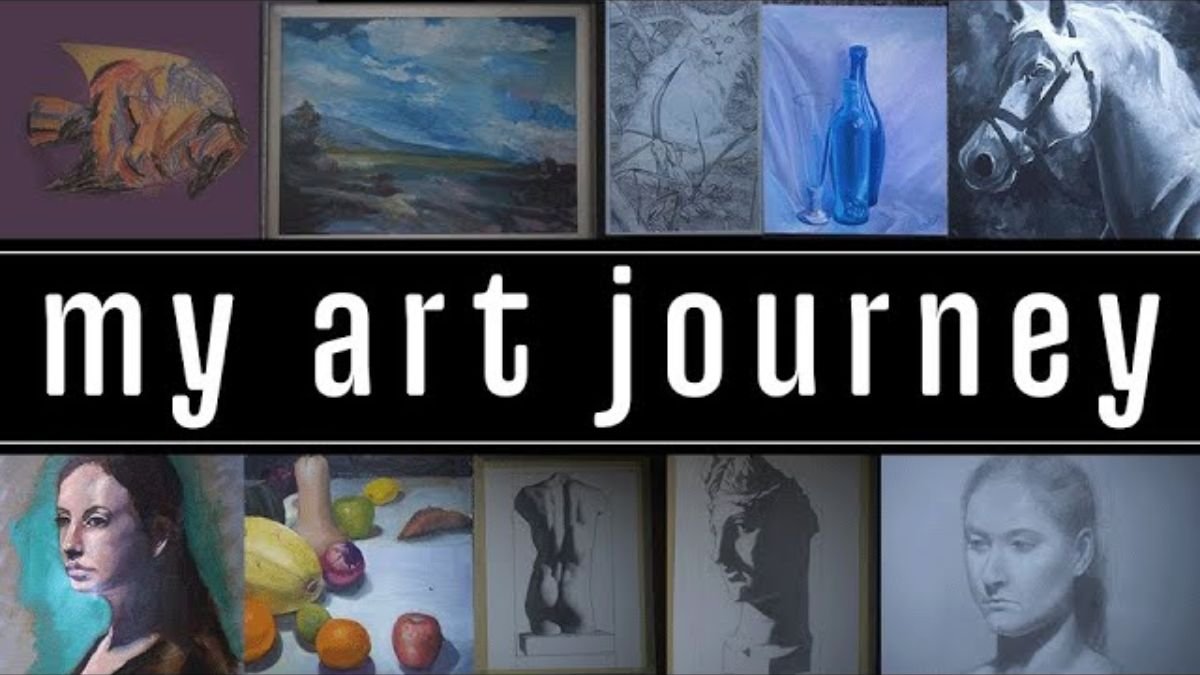
Record your journey using a journal, portfolio, or digital app. Save every new drawing, every chord learned, and every poem written.
When you look back, you’ll clearly see how much progress you’ve made. Celebrate small accomplishments—whether it’s completing a tutorial or completing a simple sketch. This helps maintain enthusiasm.
Embrace Imperfection
Perfectionism is often the worst enemy of creativity. Expecting perfection from yourself right from the start can lead to disappointment.
Mistakes are a natural part of the learning process. Every artist, writer, or musician has made mistakes in the beginning.
If you’re afraid of failure, you’ll be afraid to experiment. So give yourself permission to make mistakes, learn from them, and move forward. Even imperfect work is a sign of progress.
Seek Inspiration and Community
Sometimes learning alone can feel boring. Connecting with others is very helpful.
Joining online communities, workshops, or social media groups can help you interact with people with similar interests. Seeing others’ work, hearing about their struggles, and learning about their success stories can rekindle your energy.
Visiting a museum, reading an inspiring book, or watching an interview with a favorite artist can also ignite a new spark within you.
Change Your Approach
Practicing the same routine can sometimes get boring. So, change your approach from time to time.
If you’re learning to paint, try new colors or mediums. If you’re writing, try a new style. If you’re learning video editing, create a different project.
Trying new things not only keeps you motivated but also expands your creative thinking.
How to Deal with Creative Block?
Every creative journey has moments when ideas stall. This is called a creative block.
In these times, instead of pressuring yourself, take a break. Take a light walk, listen to music, or spend time engaging in another activity. Often, when we distance ourselves from a problem, the solution presents itself.
Experimenting with a new technique or style also helps break down barriers.
Conclusion: Commitment, not motivation, is essential.
Learning a new creative skill is a long journey. It’s natural to experience ups and downs. Motivation isn’t always consistent, but your commitment will keep you going.
Setting small goals, practicing regularly, tracking progress, accepting imperfection, and finding sources of inspiration—all these strategies will help you keep moving forward.
Remember, every great artist was once a beginner. The only difference is that they chose not to stop midway.
If you continue with patience and consistency, your creative journey will not only be successful but will also bring you personal satisfaction and confidence.








Leave a Reply