


Creativity isn’t something innate, but rather, it’s an ability that can be developed with proper practice and scientific understanding. People often think creativity is a trait reserved for artists, writers, or designers. However, science shows that everyone can become more creative by training their brain.
Numerous studies in psychology and neuroscience, including those cited by the American Psychological Association, show that certain mental habits and skills directly influence creativity. Incorporating these skills into your daily life can make your thinking more flexible, original, and solution-oriented.
Let’s explore in detail the scientifically proven skills that can make you more creative.
1. Divergent Thinking: One Problem, Many Solutions
The most important foundation of creativity is “divergent thinking”—the ability to find multiple possible solutions to a single problem.
Often, we try to find only one correct answer to a question. But divergent thinking teaches us that any problem can be viewed from multiple perspectives.
Techniques like brainstorming, mind mapping, and “starbursting” (constantly asking questions) strengthen this skill. For example, if you’re starting a new project, instead of jumping straight to a solution, first write down 20 potential ideas. Some ideas may seem simple at first, but this process can lead to unique and impactful ideas.
Regular practice allows your brain to quickly discover new options.
2. Curiosity and Intellectual Flexibility
Curiosity is the root of creativity. Those who constantly ask “why?” and “how?” arrive at new ideas.
Intellectual flexibility means not limiting your thinking and being willing to adopt new perspectives.
If you only have knowledge limited to your own field, your ideas will also be limited. But when you learn about different subjects—such as history, science, art, or technology—your mind becomes able to connect different information. This connection is the core element of creativity.
3. Associative Thinking and Pattern Recognition
Our brain naturally has the ability to recognize patterns. When you connect current experiences with your past memories and learned information, new ideas arise.
To practice associative thinking, try to connect any new information to a past experience. For example, if you’re working on a business problem, see if you’ve seen a similar situation in a book, movie, or personal experience.
This type of thinking helps identify hidden trends and opportunities.
4. Purposeful Daydreaming: Purposeful Imagination
Daydreaming is often considered lazy, but scientific research shows that purposeful imagination can enhance creativity.
When you allow your mind to wander while focusing lightly on a problem, your brain enters an “alpha” state. This state is conducive to new ideas and connections.
This doesn’t mean you should constantly think aimlessly, but rather, keep a challenge in mind and take a leisurely walk or sit quietly. Often, this is where the solution suddenly emerges.
5. Embracing Constraints
We often think that more resources and freedom will lead to better ideas. But sometimes, limitations are what force creativity.
When you have limited time, budget, or resources, your brain starts looking for new and unique ways to think.
For example, if you only have to write a story in 100 words, you will choose every word carefully. This process sharpens your creativity.
6. Active Observation and Empathy
Creativity isn’t just the ability to generate ideas; it’s also the art of looking at problems from different perspectives.
Active observation means carefully observing the world around you—people’s habits, their problems, and their emotions.
Empathy helps you understand what others are feeling. When you look at a problem from the user’s or customer’s perspective, your solutions become more effective and humane.
Everyday Habits That Boost Creativity
Creativity is developed through daily practice, not just theory. Here are some simple habits that can make your brain more creative.
1. Daily Walking
Light physical activity, especially outdoor walking, refreshes the mind. The changing scenery gives your thoughts a new perspective. Many famous thinkers have attributed their creativity to regular walks.
2. Try an Improv Class or Activity
Improv activities teach you the habit of reacting quickly and letting go of the fear of failure. This strengthens divergent thinking and boosts self-confidence.
3. Learn a New Skill
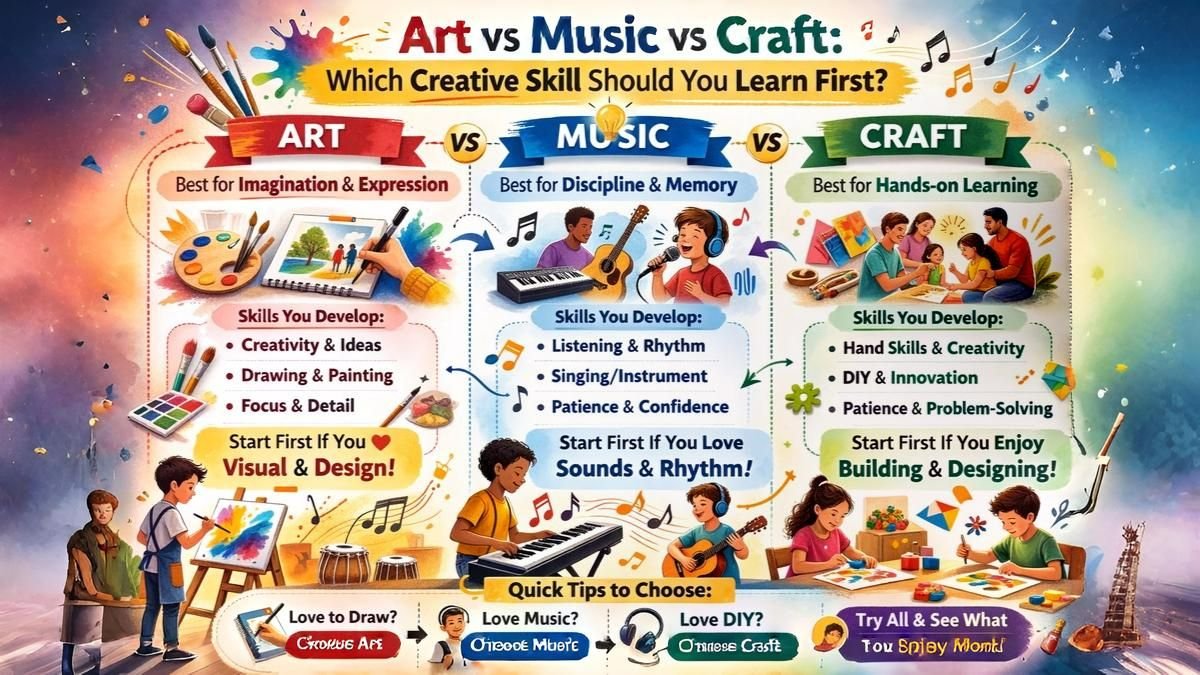
If you’re a writer, learn painting. If you’re a designer, learn coding. Different skills provide your mind with new “tools” that you can use to solve problems.
4. Collaborate
A collaborative and open environment gives rise to ideas. When you brainstorm with others, you get different perspectives. This broadens your thinking and leads to new solutions.
Conclusion: Creativity is a practice, not a talent.
Science clearly shows that creativity isn’t just an innate talent for some people. It’s a skill that can be developed through practice, curiosity, and the right mental habits.
Divergent thinking, curiosity, pattern recognition, purposeful imagination, embracing limitations, and empathy—these are all scientifically supported methods that can make your brain more innovative.
If you incorporate these skills into your daily life, your thinking will gradually begin to change. You’ll see problems as opportunities and find extraordinary solutions even in ordinary situations.














Leave a Reply