

Woodworking is a craft that has been practiced for centuries, blending creativity, skill, and patience. For beginners, stepping into the world of woodworking can feel overwhelming at first, especially with the sheer number of tools and techniques available. However, with a few essential tools and a willingness to learn, anyone can start creating functional and beautiful pieces from wood. This guide will help newcomers understand the basic tools they need and suggest simple projects to begin their woodworking journey.
Understanding the Basics of Woodworking
Before diving into projects, it’s important to understand the basics of woodworking. Woodworking is not just about cutting and assembling wood; it’s an art that requires precision, safety, and knowledge of different wood types. Softwoods like pine and cedar are generally easier for beginners to work with, while hardwoods such as oak and maple offer durability but demand more effort and skill. Familiarizing yourself with these fundamentals helps ensure that your early projects are both enjoyable and successful.
Essential Tools for Beginners
Starting a woodworking hobby doesn’t require a fully equipped workshop. Instead, beginners can focus on a few versatile and essential tools. A reliable measuring tape and a square are crucial for accuracy in every cut. A handsaw or a circular saw allows you to cut wood to the desired size, while a set of chisels helps shape and refine pieces. Additionally, clamps are invaluable for holding wood steady while gluing or assembling. For finishing touches, sandpaper of various grits or an electric sander smoothens surfaces, preparing them for staining or painting. Investing in these basic tools provides a solid foundation for almost any beginner project.
Safety First: Essential Practices
Safety should never be overlooked in woodworking, even for simple projects. Beginners must always wear protective gear such as safety glasses to protect eyes from sawdust and gloves to prevent splinters. Understanding how to handle tools correctly reduces the risk of accidents. Additionally, working in a well-lit and organized space minimizes hazards. Woodworking requires focus, and taking the time to follow safety practices not only protects you but also makes the craft more enjoyable.
Choosing Your First Projects
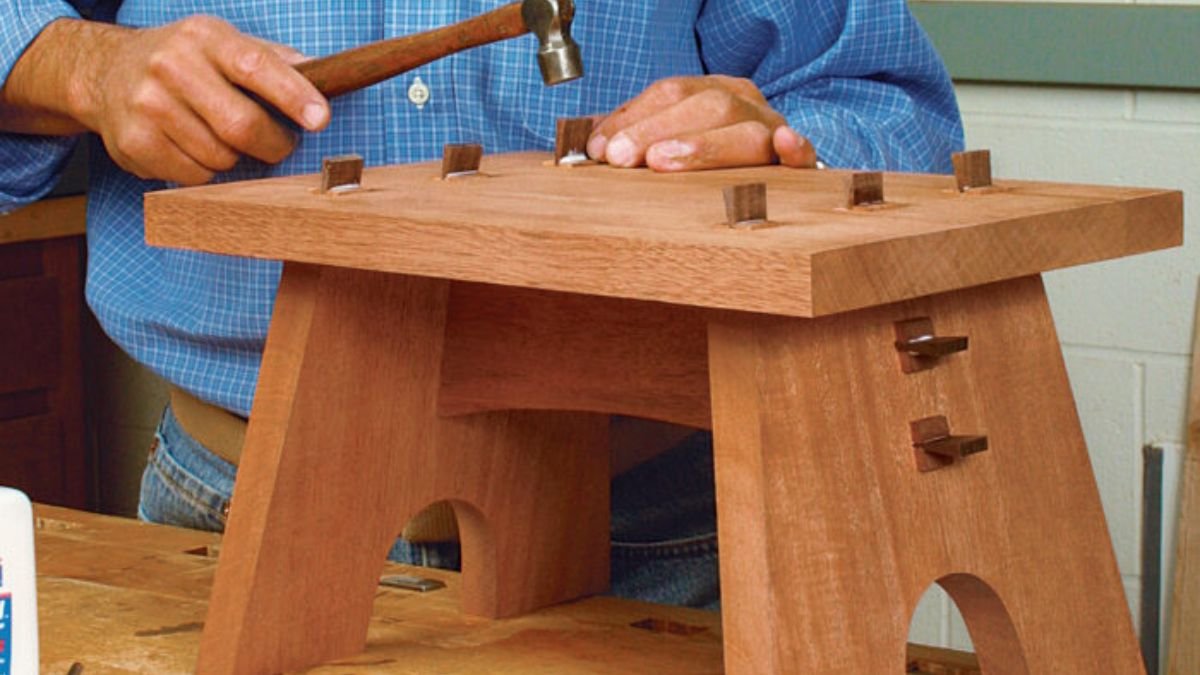
Selecting the right projects for beginners is key to building confidence and skill. Simple items like wooden shelves, cutting boards, or picture frames are excellent starting points. These projects allow you to practice measuring, cutting, and assembling without becoming frustrated by complexity. Another popular beginner project is a small wooden stool or bench, which teaches stability and weight distribution in addition to basic joinery. The key is to start small, set achievable goals, and gradually move to more complex designs as your skills improve.
Step-by-Step Approach to First Projects
When starting a project, begin by carefully planning and sketching your design. Accurate measurements and a clear understanding of the assembly process are essential. Next, select the appropriate wood and tools for your project. Take your time with cutting and shaping, making sure every piece aligns properly. After assembly, sanding and finishing bring your project to life, adding both aesthetic appeal and durability. By approaching each project step by step, beginners can avoid mistakes and enjoy the satisfaction of creating something tangible.
Learning and Growing in Woodworking
Woodworking is a skill that improves with practice and patience. Beginners should embrace mistakes as opportunities to learn rather than setbacks. Joining woodworking communities, watching instructional videos, and reading guides can provide valuable tips and techniques. Over time, your confidence will grow, allowing you to attempt more intricate designs and even incorporate decorative elements such as inlays or carving. The journey from beginner to skilled woodworker is gradual but rewarding, offering endless possibilities for creativity.
Conclusion
Woodworking for beginners is an exciting adventure that combines creativity, problem-solving, and hands-on skill. By starting with essential tools, focusing on simple projects, and prioritizing safety, anyone can begin their journey in this timeless craft. The beauty of woodworking lies not only in the finished pieces but also in the learning process and personal growth that comes with it. With patience, practice, and passion, even a beginner can transform raw pieces of wood into functional and artistic creations that reflect both skill and personality.















Leave a Reply